
Best Casino Hotels in Western Australia: A Full Guide
Table of Contents
- Casino Hotels in Western Australia
- Poker Rooms and Tournaments
- Parking, Dining, and On‑Site Amenities
- Accommodation Options Near Casinos
- Contact Points: Bars, Baccarat, and Event Spaces
- Buffet Offerings and Employment Opportunities
- Casino Openings, Developments, and Entertainment Events
- Restaurant Selections Within Casino Complexes
- Spa Services, Dress Code, and Additional Facilities
- Food Courts and Swimming Pools at Casino Venues
Casino Hotels in Western Australia
Western Australia’s land-based casino sector sits under state gambling law, separate from the federal restrictions that apply to online play. That distinction matters for anyone comparing a physical casino hotel stay against anything advertised online: table games, pokies floors and hotel rooms attached to a licensed venue are a different regulatory category altogether, and the two shouldn’t be confused when reading room offers or checking what a property actually provides.
A casino hotel built into the resort itself has one practical advantage over a standalone hotel booked nearby: the gaming floor, restaurants and event spaces are reachable without stepping outside, which matters more on a wet Perth winter night than any brochure copy admits. Rooms in these towers are typically tiered — standard rooms, then suites with river or city views, then higher-end suites aimed at guests who spend most of their visit at the tables rather than in the room. The trade-off is price: proximity to the floor is what’s being sold, not necessarily square footage or fittings, and it’s worth checking whether a “deal” bundles in resort fees, parking or breakfast before treating a quoted room rate as final.
Choosing where to play in Western Australia comes down to real details like licensing, deposit requirements and how generous the welcome offer actually is, so here’s a quick rundown to help you compare options at a glance.
License: Curacao eGaming OGL/2024/923/0383 (Antillephone N.V.) · Bonus: up to A$2,000 + 100 free spins across 2 deposits · Min. deposit: A$30 Licensed under Curacao eGaming via Antillephone N.V., it offers a welcome bonus of up to A$2,000 plus 100 free spins spread across two deposits, with a low A$30 minimum deposit.
License: Curacao Gaming Authority (Jumpman Gaming Ltd) · Bonus: up to A$6,600 + up to 250 free spins across 4 deposits Operated by Jumpman Gaming Ltd under a Curacao Gaming Authority license, it stands out with a large welcome package of up to A$6,600 and up to 250 free spins across four deposits.
License: Curacao · Bonus: up to A$2,000 Holding a Curacao license, it keeps things simple with a welcome bonus of up to A$2,000.
License: Curacao eGaming (Hollycorn N.V., since 2017) · Bonus: 225% up to A$1,540 + 600 free spins across 4 deposits, 20x wagering · Min. deposit: A$20-30 (depends on the offer) Licensed by Curacao eGaming through Hollycorn N.V. and operating since 2017, it offers a 225% bonus up to A$1,540 plus 600 free spins across four deposits with 20x wagering, and a minimum deposit of A$20-30 depending on the offer.
License: Curacao eGaming (Dama N.V.) · Bonus: up to A$10,000 + 180 free spins, 40x wagering Licensed under Curacao eGaming via Dama N.V., it offers a substantial bonus of up to A$10,000 plus 180 free spins, carrying a 40x wagering requirement.
License: Tobique Gaming Commission · Bonus: up to A$8,000 + 400 free spins across 4 deposits · Payout speed: crypto ~10-15 minutes, fiat 1-5 days · Min. deposit: A$30 Licensed by the Tobique Gaming Commission, it combines a bonus of up to A$8,000 plus 400 free spins across four deposits with fast crypto payouts of around 10-15 minutes, fiat withdrawals taking 1-5 days, and a A$30 minimum deposit.
License: Curacao, operated by Dama N.V. · Bonus: 325% up to 5.25 BTC + 250 free spins across 4 deposits Operated by Dama N.V. under a Curacao license, it caters to crypto players with a 325% bonus up to 5.25 BTC plus 250 free spins across four deposits.
License: Curacao (operating since 2017) · Bonus: 250% up to A$2,000 + 50 free spins on the first of six deposits · Min. deposit: A$20 Curacao-licensed and operating since 2017, it offers a 250% bonus up to A$2,000 plus 50 free spins on the first of six deposits, with a A$20 minimum deposit.
Bonus: 240% up to A$4,100 + 300 free spins A straightforward option offering a 240% bonus up to A$4,100 plus 300 free spins.
License: Curacao · Bonus: up to A$10,000 multi-stage + 500 free spins · Min. deposit: A$20 (POLi) Licensed in Curacao, it provides a multi-stage bonus of up to A$10,000 plus 500 free spins, with a low A$20 minimum deposit via POLi.
What differs between a casino hotel and a hotel near a casino
The functional difference isn’t glamour, it’s logistics:
- Walking distance to gaming areas. An integrated hotel puts the lift lobby steps from the floor. A hotel described as “near” a casino can mean anywhere from an adjoining building to a drive across town.
- Package inclusions. Casino-hotel rooms are more likely to be sold alongside dining credit or show access bundled into the nightly rate; nearby independent hotels sell room-only more often.
- Noise and traffic patterns. Rooms directly above or adjacent to a gaming floor carry different ambient noise than rooms in a separate accommodation tower even on the same property — worth asking about at booking rather than assuming.
- Check-in and access hours. Casino resorts often run reception and concierge services aligned with the gaming floor’s operating hours rather than standard hotel hours, which affects late check-in or early checkout requests.
Location advantages worth weighing
A casino hotel’s location is rarely accidental — these properties tend to sit near river frontage, central business districts or transport corridors, which is as much about drawing daytime foot traffic to the floor as it is about tourism. For a visitor, that means shorter transfers from the airport in some cases, but also a room rate that reflects the land value of a prime gaming site, not just the room itself. Weighing the cost of staying inside the complex against the cost of staying a short trip away, then walking or taxiing in for the evening, is a straightforward arithmetic exercise most guests skip and shouldn’t.
Booking around peak periods
Rates on casino-integrated rooms move with events and weekends more than they do with general tourism seasons, since the property’s own entertainment calendar drives a large share of demand. Checking a hotel’s operating hours and reception availability before booking odd check-in times avoids the common frustration of arriving to a floor still open at hours a standard city hotel would have long since gone quiet. There’s no national schedule governing this — gambling regulation in Australia runs state by state, with no single authority setting hours or terms uniformly, so what applies in one state’s resort casino won’t necessarily apply to a neighbouring jurisdiction’s property.
None of this substitutes for reading the specific hotel’s own terms on deposits, cancellation and resort fees, which vary property to property and are rarely identical between a casino’s own booking page and third-party travel sites carrying the same room. Comparing the two before paying is the only step that reliably prevents a "deal" turning out to cost more once fees are added at checkout.
When evaluating a casino hotel rate, always verify whether resort fees, parking or breakfast are included in the quoted price.
Poker Rooms and Tournaments
A poker room lives on different logistics than the wider gaming floor. Table counts, tournament calendars and staffing at the felt are the details that decide whether a night is worth planning around, and they don’t overlap with what’s covered under a casino’s general amenities. Western Australia’s live poker scene sits within its integrated casino resorts, and the practical questions worth answering are which games run, when tournaments are scheduled, and what a player is actually entitled to at the table.
What to expect at the tables
Cash games in a Western Australian poker room typically rotate around the standard mix — Texas Hold’em is the mainstay, with pot-limit Omaha appearing on busier nights. Table availability tightens on weekends, which lines up with broader gambling patterns in the state: over a third of Australian adults gamble at least weekly, and poker draws a reliable share of that repeat traffic. Anyone budgeting a session is working against the same numbers that shape gambling nationally — average per-capita losses sit in the low thousands annually, and a poker bankroll should be planned with that baseline in mind rather than treated as separate from it.
Age verification at the door is non-negotiable. The minimum age to sit at any table, cash game or tournament, is 18, and floor staff check ID rather than take a player’s word for it.
Tournament structure
Scheduled tournaments are where poker rooms differentiate themselves from the rest of the casino floor. Structures generally include:
- Daily cash-game tournaments — lower buy-ins, rebuy or freezeout formats depending on the night.
- Weekly guaranteed events — a fixed schedule slot, usually drawing the largest field of the week.
- Special-series events — run around holidays or in conjunction with wider casino promotions, with structures announced ahead of time.
None of these formats are static; venues adjust starting stacks, blind levels and late-registration windows based on turnout. What stays consistent is the requirement that anyone registering meets the minimum age threshold, and that dealers and floor supervisors are on hand to rule on disputes in real time — a poker room without visible floor staff during a tournament is a room to avoid.
Player-friendly conditions worth checking
Not every poker room offers the same courtesies, and the differences matter more than the décor:
- Rake structure — capped rake on smaller pots versus a flat percentage regardless of pot size changes the math on marginal cash-game sessions.
- Bad-beat jackpots — where offered, these run alongside standard tournament and cash structures and are usually posted on a board near the poker room entrance.
- Dealer rotation and break schedules — matters more on long tournament days than most players account for when they first sit down.
- Waitlist transparency — some rooms run a visible electronic list, others rely on a physical clipboard; the electronic version is easier to track from a bar seat or the sports bar area without losing a spot.
Comparing poker rooms against the same yardstick
The way Casino Payment Guide treats casino venues generally — recalculating standing every week against a formula weighing bonus generosity, payout reliability, game library, support responsiveness and player feedback — doesn’t map directly onto a physical poker room, since that formula is built for online operators, not felt-and-cards venues. What does carry over is the underlying discipline: a poker room is worth naming as recommended only when it’s transparent about rake, honest about tournament guarantees, and staffed properly when a dispute needs a ruling. Licensing integrity checks that apply to online casino listings apply in spirit here too — a poker room operating inside a licensed casino resort is a different proposition to a card room with no clear oversight, and that distinction is worth confirming before buying into a tournament series.
Sports betting terminals or lounges adjacent to the poker room are common in Western Australian casinos, letting players duck out between hands to check a race or a match — a convenience worth knowing about before committing to a long session, though the wagering itself runs on entirely separate licensing to the poker operation.
Age requirement
All poker room participants must be at least 18 years old and staff will check ID at the door.
Parking, Dining, and On‑Site Amenities
Getting in and out of a casino building without wasting an hour on logistics matters more to most visitors than the size of the gaming floor. Western Australia’s larger venues are built around this, with multi‑level parking structures attached directly to the main entrance and valet options for guests who don’t want to deal with a ticket machine at all. Valet service typically runs at a flat rate rather than a per‑hour charge, which works out cheaper for anyone staying more than a couple of hours — worth doing the arithmetic before assuming self‑park is the frugal choice.
Self‑park facilities are generally covered, lit, and monitored, with dedicated bays close to lifts for guests with mobility needs. Weekend evenings and event nights are when capacity gets tested; arriving with a buffer of thirty minutes before a show or tournament start avoids circling for a spot. None of the major venues charge for the first period of parking, though the free window shortens or disappears entirely during peak events — checking signage on arrival is more reliable than assuming last visit’s rate still applies.
Dining Without the Hotel Package
On‑site dining at Western Australian casinos runs from quick-service counters to sit-down restaurants, and none of it requires a room booking to access. This is a practical distinction: a visitor driving in for an afternoon at the tables can eat on-property without engaging with anything hotel-related. Kitchens generally operate on extended hours to match gaming floor operation, which means dinner service doesn’t cut off at a conventional restaurant’s closing time — useful for anyone arriving after a normal dinner slot has closed elsewhere in the city.
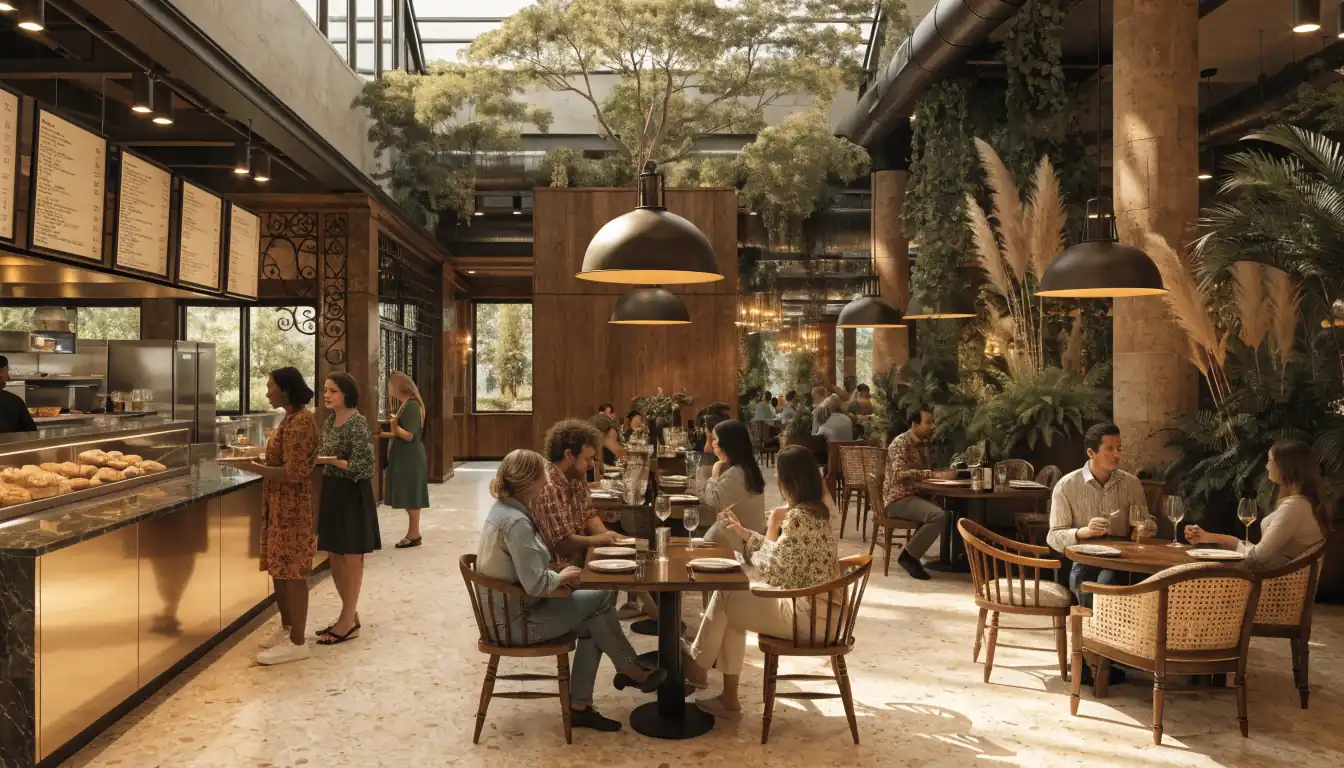
Cashless payment is standard across dining outlets, and card terminals are the default rather than the exception at food counters. Winnings taken to a restaurant table aren’t taxed, a detail sometimes overlooked given how much attention goes to whether gambling itself carries tax obligations — it doesn’t, on either side of the transaction.
Other On‑Premise Services
Beyond food and parking, the practical layer of a casino visit includes:
- Cloakroom and storage — useful for guests arriving from the airport or dressed for an evening event who don’t want to carry bags through the gaming floor.
- ATMs and cash services — present throughout the property, though withdrawal limits and fees vary by machine operator rather than by the casino itself.
- Guest services desks — the first stop for lost property, wayfinding, or checking event schedules without needing to ask floor staff.
- Currency exchange — available at larger properties, relevant given the volume of interstate and international visitors passing through on any given weekend.
None of this touches online play. Australians can legally place a bet with a state or territory‑licensed sports betting operator from home, but online casino games — the pokies, roulette, and blackjack variants played on a screen rather than a physical table — sit outside that legal framework. Sources disagree on which piece of Commonwealth legislation actually governs this: some point to the Interactive Gambling Act 1997, others to a 2001 version. Either way, the practical effect for residents is the same — no domestically licensed online casino exists to visit instead of driving to one of these venues, and the law’s target is the operator offering the service, not the individual placing a bet with an offshore site. That distinction matters for anyone assuming an on-site casino visit and an online one are interchangeable options with the same legal footing; they aren’t.
Practical logistics — where to park, when the kitchen closes, where the ATM is — remain the same regardless of that legal backdrop, and they’re the details that actually shape a visit once the decision to go has already been made.
Accommodation Options Near Casinos
Not every visitor books through the casino’s own hotel package. Serviced apartments and independent hotels around Perth’s gaming precinct offer an alternative for guests who want a room without the resort-fee structure or the loyalty-tier conditions that come attached to on-site stays.
Off‑site accommodation is billed independently of any gaming spend, so its price reflects only room rates, location and inclusions.
The calculation is straightforward: off-site accommodation is priced and booked independently of any gaming spend, loyalty status or minimum-night package that a casino hotel might require. There’s no obligation to gamble, dine on-property or hit a tier threshold to unlock a rate. For anyone comparing total cost rather than perceived value, that separation matters — a serviced apartment booked on its own merits can be assessed purely on price, location and inclusions, without factoring in whether the "discount" is contingent on activity elsewhere in the building.
What’s on offer nearby
- Serviced apartments — self-contained units with kitchen facilities, typically booked by the night or week, useful for longer stays where dining out for every meal adds up.
- Independent hotels — standard hotel rooms within a short distance of the gaming floor, priced on standard hotel terms rather than package inclusions.
- Short-stay rentals — an option for groups or families where per-person hotel pricing works out more expensive than a shared apartment.
Distance and access
Proximity to the casino varies by property. Some serviced apartments sit within walking distance of the gaming floor; others require a short drive or rideshare. Anyone weighing an off-site booking against the convenience of staying inside the resort should factor in that trade-off directly — the room rate might be lower off-site, but transport time and cost need to be added back into the comparison to see the real total.
Who this suits
Off-site lodging tends to suit two groups: those visiting primarily for entertainment, dining or an event rather than extended time at the tables, and those who want to keep accommodation spend and gaming spend as two separate line items rather than one bundled package. Anyone accessing casino offers or promotional material as part of a stay must still meet the minimum age of 18, regardless of where they’re booked to sleep.
Timing and availability
Off-site rooms are not tied to the casino’s own trading hours or promotional calendar, so availability and pricing move independently of whatever is happening on the gaming floor that week. This is useful during periods when on-site rooms are booked out for an event — an apartment a short distance away can still be available at a standard rate.
A note on comparison shopping
Nearby accommodation should be compared the same way any hotel booking is compared: total price for the stay, cancellation terms, and what’s actually included. A casino-hotel package might bundle in credits, late checkout or dining vouchers that change its real value against a plain hotel rate — but that comparison belongs to the hotel-package discussion elsewhere. For off-site bookings, the calculation is simpler because there’s nothing to unbundle. The rate quoted is the rate paid, which for anyone budgeting a trip precisely is arguably the more honest starting point, even if it comes without a complimentary breakfast voucher attached.
- Compare total price including any resort fees or parking.
- Check cancellation terms before confirming.
- Verify that any included amenities match your needs.
- Assume on‑site rates are cheaper without factoring extra fees.
- Book without confirming age restrictions for casino access.
- Overlook transport costs that add to the overall expense.
No accommodation booking, on-site or off, changes the underlying legal position on gambling in Australia: online casino games remain a separate matter entirely, governed by federal rather than hospitality rules, and unrelated to where a guest chooses to spend the night.
Contact Points: Bars, Baccarat, and Event Spaces
A physical casino floor in Western Australia works differently from anything advertised online. Online casino games, poker and in-play betting are prohibited federally under the Interactive Gambling Act 2001, and no domestically licensed real-money online operator exists for Australian players. What can be verified about a venue, then, is not a licence number on a website but a street address, a floor plan and a set of staffed points where a question gets answered by a person, not a chatbot.
Bars
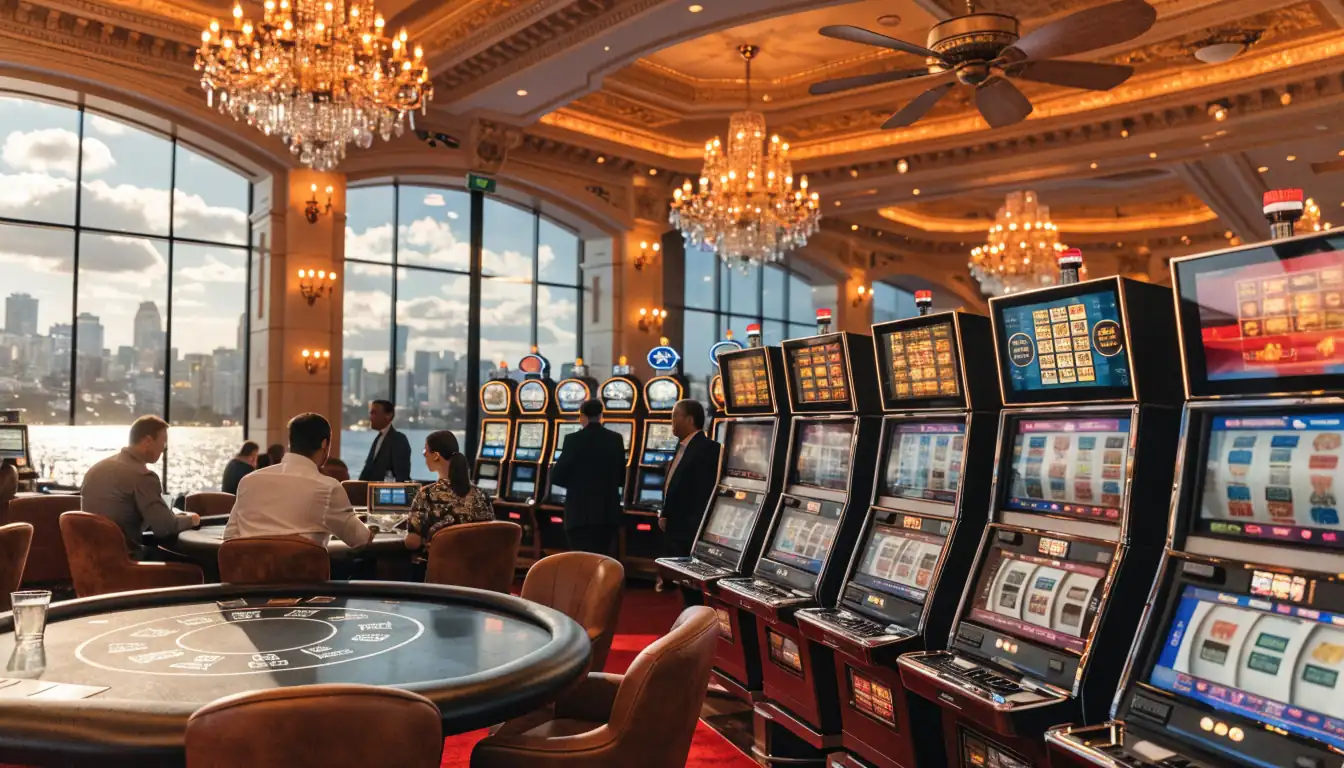
A casino bar functions as the default meeting point for anyone trying to locate a specific table or a friend on the floor. Bars in Western Australia’s casino complexes are typically positioned within sightline of the main gaming areas, which makes them a practical first stop before heading to baccarat, blackjack or the pokies. Staff at these bars are usually the fastest route to information about which pits are open, current dress-code enforcement, or where a particular event is being held that evening — faster than calling ahead, since front-of-house staff rotate and switchboard operators may not have real-time floor knowledge.
Compare ranked online casinos across payout speed, live dealer options, software providers and state-by-state availability…
Crown Melbourne runs three separate hotel towers on site, with Crown Towers positioned as the…
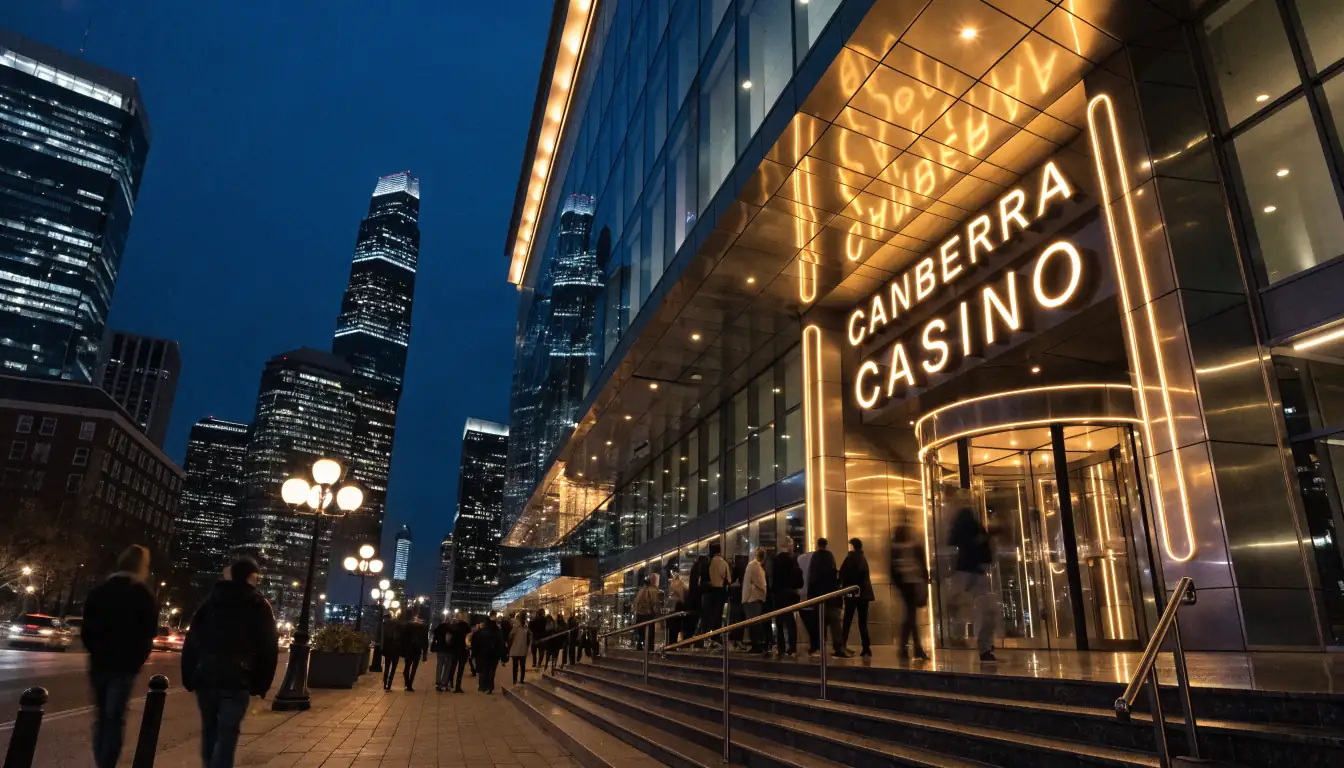

Baccarat Tables
Baccarat holds a fixed position in the table-games layout of a major casino, generally set apart from the general pit in a quieter section reserved for higher-stakes or invited play. The distinction matters for anyone planning a visit: baccarat areas often have separate access points, separate staff, and separate minimum-bet signage from the rest of the floor. Locating the baccarat pit before arrival — via the property’s own floor map rather than a third-party listing — avoids wasted time walking a casino that can span multiple levels.
Event Spaces
Casino complexes in Western Australia typically include dedicated event spaces used for conferences, private functions and ticketed entertainment, run separately from the gaming floor. These spaces have their own booking contacts and their own entrances, distinct from the numbers used for hotel reservations or table reservations. Anyone trying to reach a casino by phone for a specific purpose — confirming an event booking, asking about baccarat table availability, or checking bar opening hours — gets better results contacting the specific department than a general enquiry line, since a single switchboard number is rarely the fastest way to reach an event coordinator or pit manager directly.
Finding the Right Contact
A property’s own site remains the most reliable source for current phone numbers, floor maps and event calendars, since these details change without notice and third-party pages fall out of date quickly. When checking a casino’s contact details, cross-referencing against the venue’s official communications is worth the extra step — a mismatched number wastes more time than it saves.
Online casino ban
Offering or playing real‑money online casino games is prohibited in Australia under the Interactive Gambling Act.
A Note on Scope
None of this extends to online play. There is no single overarching statute or single overarching gambling authority regulating gambling in Australia — rules sit across both state/territory and federal levels — but on the specific question of interactive casino games, poker and in-play betting, federal law is unambiguous: all three are prohibited. Live betting placed by phone remains legal, which is a narrow exception worth knowing before assuming any phone-based wagering is off-limits. A physical bar, a baccarat pit and an event space are fixed locations with fixed contact points; an online casino promising the same experience to an Australian resident is not.
Buffet Offerings and Employment Opportunities
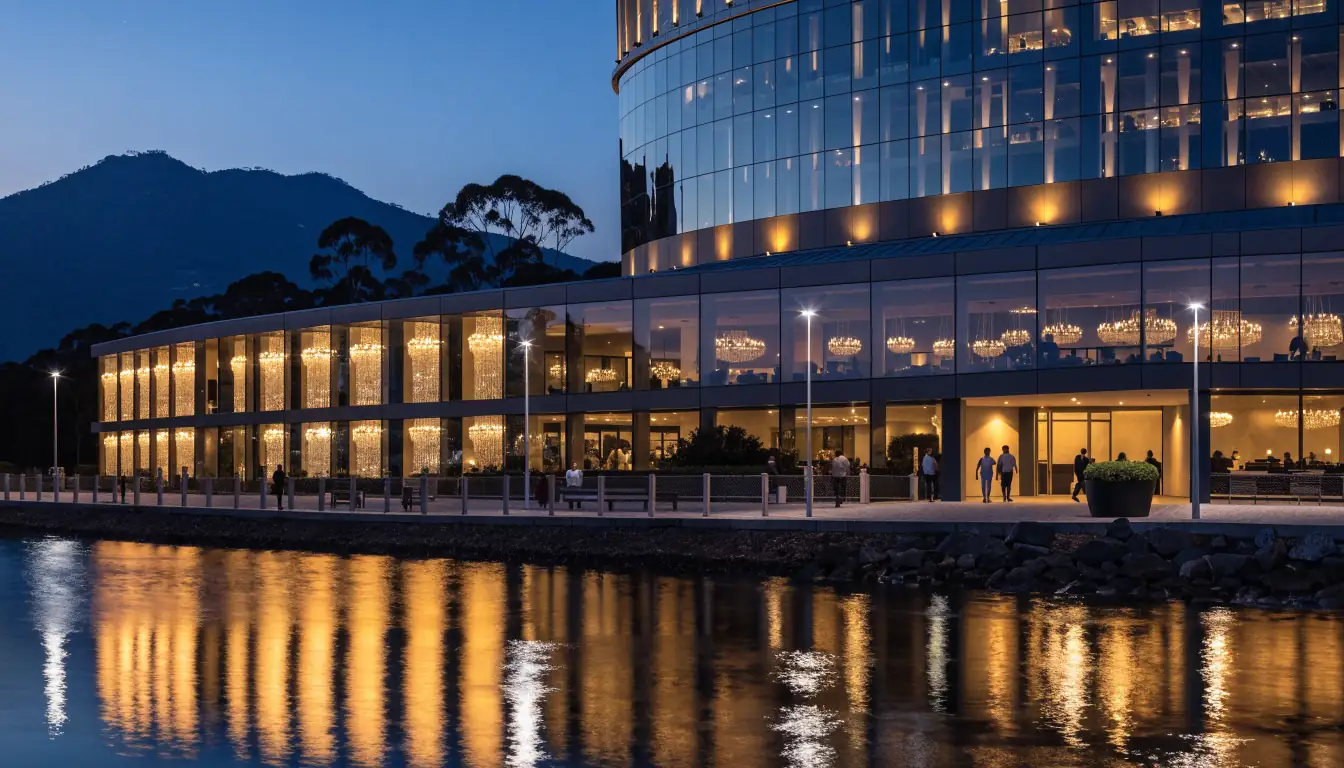
A casino resort in Western Australia is judged, on the food side, by whether the buffet earns its price before the pokies do. Breakfast service is the clearest test: a resort buffet that runs early and covers the standard hot and cold spread gives day-trip visitors a reason to arrive before midday rather than treat the casino floor as an evening-only stop. Where the surrounding market has been reviewed for gambling terms — bonus transparency, cashout speed, licensing integrity — the same scrutiny is rarely applied to food service, and it should be, because a buffet that overpromises on variety and underdelivers on execution costs a visitor more than a bad welcome bonus ever will.


What a buffet is actually worth
Buffet pricing at a casino resort sits apart from the à la carte venues covered elsewhere in this guide. The comparison worth making is not "is it cheap" but "is it worth the trip" — whether a breakfast buffet justifies arriving before other amenities open, and whether an evening buffet is priced to compete with the resort’s standalone restaurants or to undercut them deliberately as a floor-traffic driver. Neither question has a universal answer across Western Australia’s casino resorts, and no operator publishes a breakdown of buffet margins or comparative value, so any claim of a "best" buffet deal should be treated as marketing language rather than a verified figure.
The job market inside the resort
Casino resorts function as some of the larger hospitality employers in Western Australia, and the roles on offer extend well past the gaming floor. A single property typically recruits across:
- Food and beverage service — buffet and breakfast staff, banquet crews, bar service tied to event spaces.
- Gaming operations — dealers, pit staff, cashier and cage roles.
- Hospitality management — hotel front desk, housekeeping, and guest services tied to the on-site accommodation.
- Back-of-house support — kitchen staff for buffet and à la carte production, maintenance, security.
- Corporate and administrative roles — marketing, compliance, and rewards-program administration.
Age restrictions that apply to gambling access — the 18-year minimum for using casino offers — are a separate matter from casino employment eligibility, which is governed by standard workplace law rather than gambling-specific rules. The two shouldn’t be conflated: a job on the gaming floor is not the same access point as a gambling account, and eligibility for one says nothing about the other.
Rewards programs and what they actually cover
Loyalty or rewards schemes tied to a casino resort typically bundle buffet discounts, room offers, and event access into a single tiered structure. What such a program is worth to a given visitor depends on how much time is actually spent on-site, and casino resorts do not publish the internal weighting of these tiers the way gambling operators are required to publish bonus terms. That distinction matters: a welcome bonus attached to an online gambling offer must show wagering requirements up front and is restricted to first-time registrations by adults over 18, but a resort’s dining or accommodation rewards tier follows no equivalent disclosure standard, and none should be assumed.
Casino loyalty tiers may include buffet discounts, room offers and event access, but they are not required to disclose wagering requirements as online bonuses do.
Where this guide scores gambling operators, the method is explicit: rankings are recalculated weekly on a formula weighting bonus generosity, payout reliability, game library breadth, customer support, and user feedback, with each listing checked for cashout speed and licensing integrity using real deposits of at least A$300. No comparable published methodology exists for buffet quality or resort employment conditions — those remain matters of direct enquiry with the property itself, not a rankable data set.
Casino Openings, Developments, and Entertainment Events
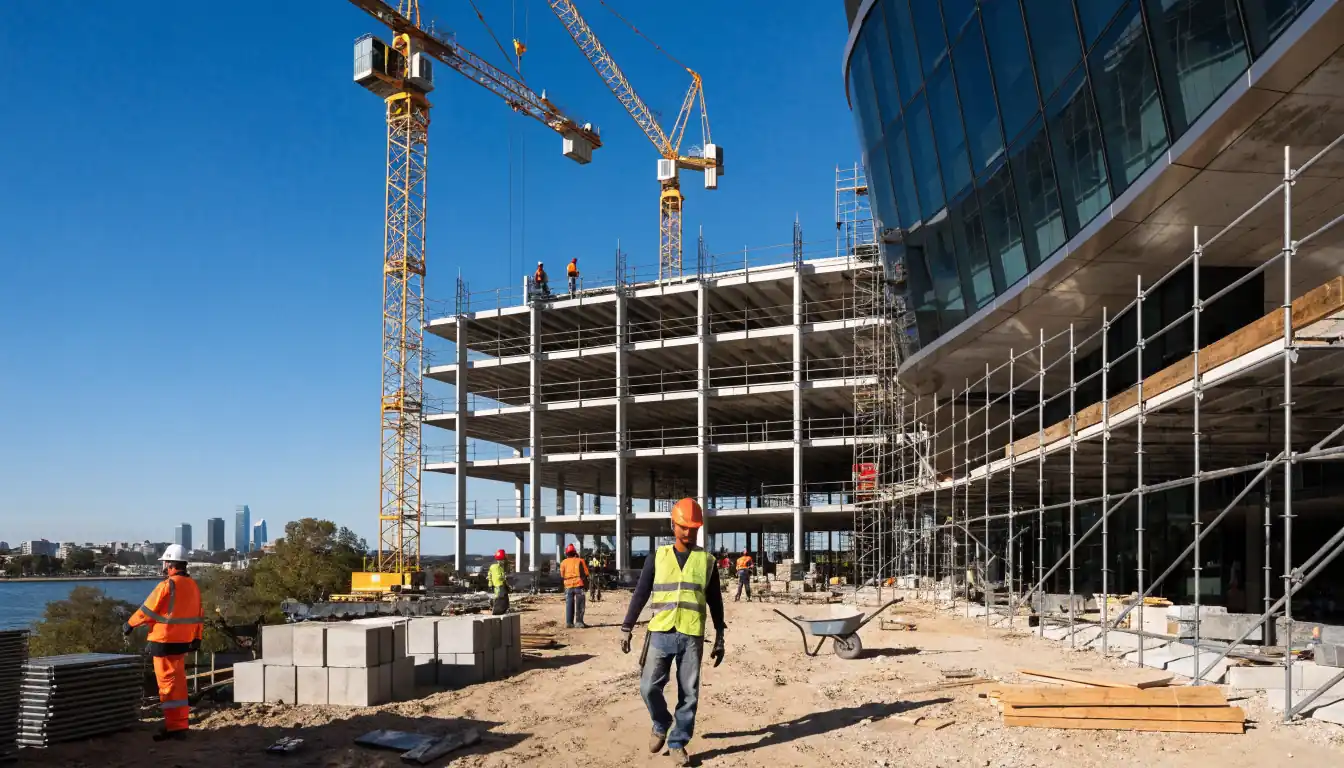
Western Australia’s physical casino sector operates under state licensing, which sits apart from the federal restrictions that apply to online play. Under the Interactive Gambling Act, offering online casino games such as slots, poker, blackjack or roulette to Australian residents is prohibited — sources differ on whether this stems from the 1997 or the 2001 version of the Act, but the practical effect is the same either way. That prohibition targets operators, not individual players, and it has no bearing on land-based venues, which is why questions about openings, reopenings and construction schedules belong to a different regulatory conversation entirely.
Property developments
Any construction or refurbishment project at a Western Australian casino property follows the state’s gaming and building approval processes rather than the federal framework governing online betting. Announcements about expanded gaming floors, new wings, or renovated entrances typically come from the operator or the state gaming regulator, not from a national gambling authority, since the IGA has no jurisdiction over bricks-and-mortar operations.
For anyone tracking whether a property has closed for renovation and when it plans to reopen, the most reliable source is the venue’s own operational notices rather than general gambling news coverage, which tends to focus on federal policy and online restrictions rather than physical site logistics.
Entertainment scheduling
Casino resorts in the state typically function as entertainment venues beyond the gaming floor, hosting concerts, comedy shows, and seasonal event programs. These schedules change frequently and are set independently by each property’s events team, distinct from the tournament calendars covered under poker facilities or the contact-point venues used for private functions.
There is no centralised public calendar covering every casino entertainment event across Western Australia. Event listings are typically published and updated directly by each venue, meaning coverage found elsewhere may lag behind the property’s own announcements.
What to check before planning a visit around an opening or event
| Consideration | Why it matters |
|---|---|
| Confirmed reopening date | Construction timelines shift; only the operator’s own notice reflects the current status |
| Event ticketing terms | Entertainment bookings are separate from gaming promotions and carry their own conditions |
| Age requirement | Entry to gaming areas and access to any casino offer requires being 18 years or older |
| Scope of the offer | Any bonus or promotion tied to an opening applies only to first-time registrations where an online component exists, not to walk-in gaming |
Coverage of a "reopening" should be read carefully: a temporary closure for maintenance is a different event from a full redevelopment, and the two are often conflated in casual reporting. Where a property has undergone a genuine rebuild — new gaming floor, added accommodation, or a reworked entertainment precinct — the distinction from a routine refurbishment is usually stated plainly in the operator’s own release, and that release remains the only dependable record of what changed and when.
Employment activity tied to new developments or expansions is a related but separate matter from entertainment programming, and falls outside what this section covers.
Restaurant Selections Within Casino Complexes
A restaurant floor inside a large land-based casino complex in Western Australia is built to hold a night’s booking pressure without collapsing into a single queue at one carvery. That is the practical difference from a food court: separate kitchens, separate reservation lines, separate menus, each pitched at a different budget and a different reason for visiting.
The typical spread inside such a complex runs across several concepts rather than one:
- Fine dining — a single flagship room, usually the one requiring a booking days ahead for weekend seatings, built around a set menu or chef’s selection rather than an à la carte free-for-all.
- Steak and grill houses — cuts and seafood priced and plated for a slower, table-service evening, distinct from anything served on trays elsewhere in the building.
- Asian-focused kitchens — usually one or two concepts covering a mix of regional cuisines under a single roof, aimed at groups rather than solo diners.
- Casual table-service rooms — pizza, pasta, pub-style plates — positioned as the fallback for anyone not committing to a full evening booking.
- Bar-adjacent kitchens — food served to seating near gaming floors or lounges, ordered without leaving the immediate area.
None of this changes what happens at the tables and machines beyond the kitchen doors. Online sports betting is licensed at state and territory level and operates within that framework. Online casino games, poker, and in-play betting are prohibited federally under the Interactive Gambling Act 2001, and no domestically licensed real-money online casino operator exists for Australian players — a restaurant booking made through a casino’s website does not sit alongside any legal online gaming account, because there isn’t one to sit alongside. It is illegal to offer online casino gambling in Australia, and no licence for it can be obtained domestically, so any site claiming otherwise while listing a dinner reservation system is misrepresenting one half of what it offers.
Booking patterns worth knowing
Fine dining and steak-house concepts inside these complexes generally require advance reservation, particularly around weekends and event nights tied to entertainment scheduling elsewhere in the venue. Casual and bar-adjacent kitchens tend to run on walk-in service, which matters for anyone timing a visit around a show or a tournament session rather than building an evening entirely around dinner.
A flagship restaurant with set menus or chef’s selections, typically requiring advance reservation for weekend seats.
Table‑service venue serving cuts and seafood, priced for a slower, upscale dinner experience.
Regional Asian cuisines offered under one concept, aimed at groups rather than solo diners.
Pizza, pasta and pub‑style plates with walk‑in service, ideal for quick meals between gaming sessions.
Menus and hours are set independently by each restaurant operator within the complex rather than by the casino as a single entity, which is why pricing and service style can vary sharply between two rooms a corridor apart. A steak house charging for a slow table-service cut sits a short walk from a pizza counter charging for speed, and both are counted as "restaurants" in the same building without being comparable on cost or booking effort.
What stays constant is separation from the buffet and food-court tiers: table-service restaurants are not self-serve, are not priced per head regardless of what’s eaten, and are not designed for a quick turnaround between gaming sessions.
Spa Services, Dress Code, and Additional Facilities
Spa facilities inside Western Australian casino complexes sit apart from the gaming floor, typically as a separate booking with its own reception and price list. Treatment menus generally cover massage, facials and body treatments, with packages aimed at guests staying overnight as much as day visitors. None of this touches the gaming licence itself: spa operations run under standard commercial and health regulations, not under any gambling authority. That distinction matters more than it looks — Australia has no single overarching gambling statute or regulator, and the bodies that do apply, such as the Australian Communications and Media Authority at federal level, concern themselves with interactive gambling under the Interactive Gambling Act 2001, not with a hot stone massage.
Spa
A facility within the casino that offers massages, facials and body treatments, booked separately from gaming and regulated under health and commercial codes rather than gambling legislation.
Dress code
Casino floors generally expect neat, presentable dress rather than a strict formal code. Practical terms mean no beachwear, no bare feet, no visible work gear, and a general expectation of collared shirts or equivalent in the evening. Enforcement tends to tighten after dark and around premium gaming areas, where staff apply judgement rather than a printed checklist. None of the published material sets out a uniform standard across every Western Australian venue, so the safer assumption on any visit is business-casual as a floor, not a ceiling.
Additional facilities
Beyond the gaming floor, spa and treatment rooms, complexes typically run:
- Bars positioned around the gaming areas, serving as informal gathering points rather than destination venues in their own right — covered in more detail as contact points elsewhere.
- Retail or concierge desks handling bookings for spa, entertainment or event spaces.
- Lounge areas for players between sessions, generally unticketed and open to any adult on the floor.
Access to any of these areas, spa included, carries the same baseline rule as the gaming floor itself: the minimum legal gambling age in Australia is 18, and casino venues apply that threshold to entry generally, not only to the tables.
Regulatory backdrop worth knowing
None of the facilities described here — spa, dress code enforcement, bar service — fall under a national gambling regulator, because none exists in that form. Oversight of Australian gambling is split between state and territory bodies and a small set of federal ones. The Australian Communications and Media Authority enforces the Interactive Gambling Act 2001 at federal level, aimed squarely at interactive and online gambling rather than physical premises. The Northern Territory Racing Commission functions as the country’s de-facto online gambling regulator, licensing most national online bookmakers that benefit from lower tax there — a fact worth noting for context, though it has no bearing on how a Western Australian casino runs its spa or checks a dress code at the door.
Food Courts and Swimming Pools at Casino Venues
Casino resorts in Western Australia typically separate their casual dining from the à la carte and buffet restaurants covered elsewhere on the property. A food court model — quick-service counters, shared seating, faster turnover — suits guests moving between the gaming floor and other parts of the complex without booking a table. This is the layer built for a short break rather than a sit-down meal, and it runs on different hours and different pricing logic than the full-service outlets.
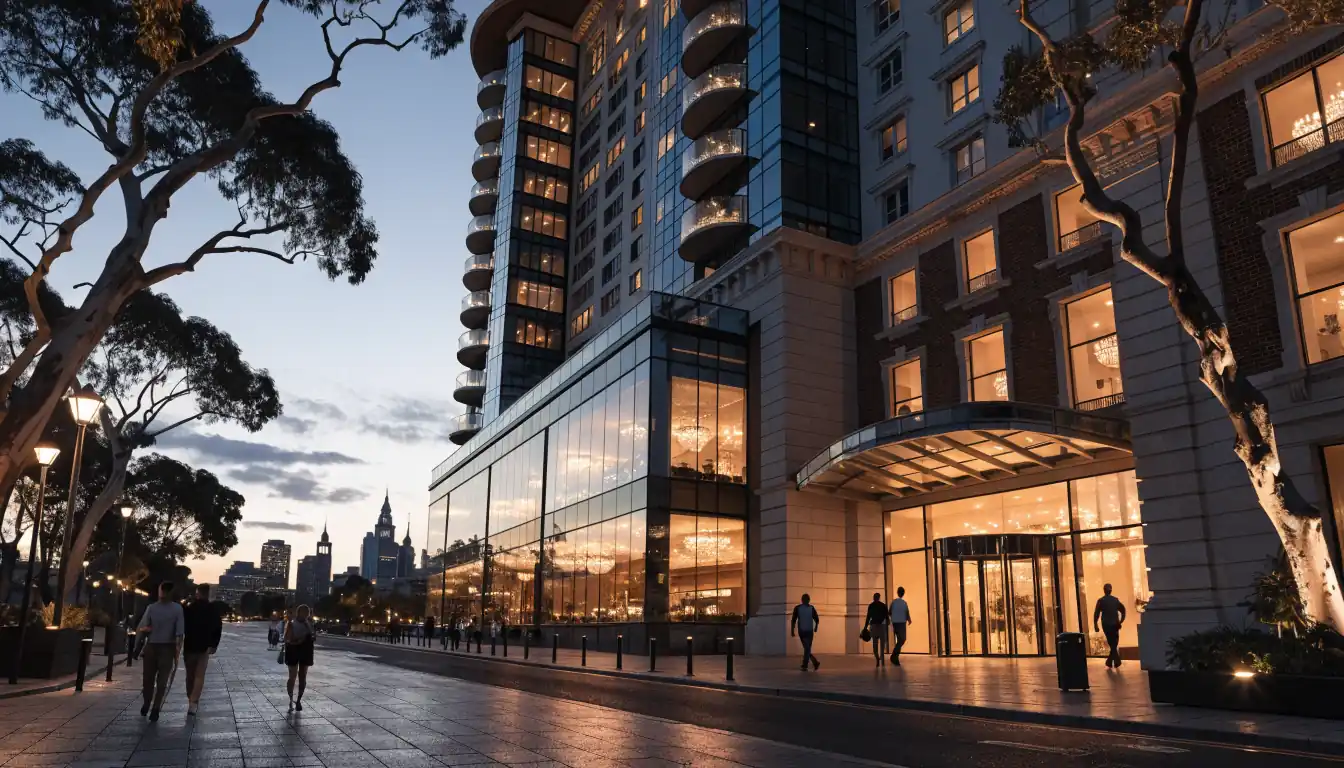

Pool facilities follow a similar practical role. They’re positioned as a resort amenity rather than a casino one — open to guests staying on-site, generally with access tied to hotel accommodation rather than to time spent gambling. That distinction matters: a pool deck is not part of the gaming floor, and access to it carries none of the age restrictions that apply to casino play itself, where the minimum age to use any casino offer sits at 18.
What food courts and pools have in common is that neither is where the money in this industry actually sits. The scale of capital behind online gambling gives some sense of proportion — Australia’s twenty largest superannuation funds held stakes worth more than A$14.8 billion in listed igaming companies by mid-2026 — against which a resort’s poolside bar or noodle counter is a rounding error, useful mainly for keeping guests fed and comfortable between other activities.
Neither facility requires research beyond checking opening hours and whether pool access is included with a room booking.
What are the key limits on providing services to customers?
Online operators are prohibited from offering casino games, poker, and in-play betting to Australians, targeting providers rather than players. Minimum age for any casino access is 18, and land-based venues enforce non-negotiable ID checks.
What payment methods are available for Australian players at online casinos?
No specific payment methods are detailed. However, since domestic real-money online casino licences cannot be obtained, any available payment options operate through offshore-licensed platforms rather than domestic ones.
How can a player verify that an online casino holds a valid licence in Australia?
It is impossible to verify a domestic online casino licence in Australia because the law prohibits offering online casino gambling domestically. Offshore operators exist outside the Australian licensing framework.
What law governs online gambling in Australia?
The Interactive Gambling Act 2001 is the primary Commonwealth law governing online gambling. Enforcement is handled by the Australian Communications and Media Authority (ACMA), while regulation also runs at state and territory levels.
How to recognise problem signs and where to get help?
Significant gambling problems affect roughly 0.5–1.0% of Australian adults, with per-capita annual losses averaging AUD 1,200. While specific help organisations are not listed, players should manage deposits and withdrawals responsibly to mitigate these risks.