Best Casino in Hobart 2026: Poker Rooms, Stays and Dining
 Available in AU
Table of Contents
- Poker Options at Hobart Casinos
- Accommodation Near Hobart Casinos
- Casino‑Integrated Hotel Facilities
- Parking and Accessibility for Hobart Casino Visitors
- Contact Details and Customer Service Channels
- Dining Buffets, Breakfast Offerings and Employment Opportunities
- Casino Operating Hours and Seasonal Openings
- Spa and Wellness Services at Hobart Casinos
- Restaurant Selections Within the Casino Complex
- Food Courts and Pool Areas
- Regulatory Landscape and Licensing in Australian Gambling
Poker Options at Hobart Casinos
Poker sits apart from the pokies floor and the table-games pit in any land-based venue, and Hobart’s casino operators treat it that way — a dedicated room, its own schedule, and a different rhythm of play. Where general casino amenities run on the constant churn of slot machines and blackjack shoes, a poker room depends on enough seated players to keep a game live, which is why tournament calendars and cash-game spreads matter more here than anywhere else on the floor.
What a poker room actually offers
A poker room in a casino of this size typically runs on two tracks: scheduled tournaments with set buy-ins and starting times, and cash games that open and close depending on how many players show up. Cash tables are the default filler between tournament series — Texas Hold’em is the standard variant, sometimes supplemented by Omaha when demand allows. The room itself is usually separated from the main gaming floor, partly for noise control and partly because poker against other players requires a different service model than poker against the house.
Since online casino options can vary widely in licensing, bonus structure and payout speed, it helps to see how each site stacks up before you sign up while browsing options relevant to Hobart players in 2026.
License: Curacao eGaming OGL/2024/923/0383 (Antillephone N.V.) · Bonus: up to A$2,000 + 100 free spins across 2 deposits · Min. deposit: A$30 Licensed under Curacao eGaming via Antillephone N.V., this casino offers a two-deposit welcome package worth up to A$2,000 plus 100 free spins, with a modest A$30 minimum deposit.
License: Curacao Gaming Authority (Jumpman Gaming Ltd) · Bonus: up to A$6,600 + up to 250 free spins across 4 deposits Operating under a Curacao Gaming Authority license through Jumpman Gaming Ltd, it stands out for a generous four-deposit bonus reaching up to A$6,600 and as much as 250 free spins.
License: Curacao · Bonus: up to A$2,000 Holding a Curacao license, this casino keeps things straightforward with a welcome bonus of up to A$2,000.
License: Curacao eGaming (Hollycorn N.V., since 2017) · Bonus: 225% up to A$1,540 + 600 free spins across 4 deposits, 20x wagering · Min. deposit: A$20-30 (depends on the offer) Licensed by Curacao eGaming through Hollycorn N.V. and established since 2017, it offers a 225% bonus up to A$1,540 with 600 free spins across four deposits, subject to 20x wagering, and a low minimum deposit around A$20-30.
License: Curacao eGaming (Dama N.V.) · Bonus: up to A$10,000 + 180 free spins, 40x wagering Licensed under Curacao eGaming via Dama N.V., this casino offers a substantial bonus of up to A$10,000 plus 180 free spins, with 40x wagering requirements to keep in mind.
License: Tobique Gaming Commission · Bonus: up to A$8,000 + 400 free spins across 4 deposits · Payout speed: crypto ~10-15 minutes, fiat 1-5 days · Min. deposit: A$30 Licensed by the Tobique Gaming Commission, it combines a four-deposit bonus of up to A$8,000 with 400 free spins, fast crypto payouts of around 10-15 minutes, fiat withdrawals within 1-5 days, and a A$30 minimum deposit.
License: Curacao, operated by Dama N.V. · Bonus: 325% up to 5.25 BTC + 250 free spins across 4 deposits Operated by Dama N.V. under a Curacao license, this casino caters to crypto players with a 325% bonus up to 5.25 BTC and 250 free spins spread across four deposits.
License: Curacao (operating since 2017) · Bonus: 250% up to A$2,000 + 50 free spins on the first of six deposits · Min. deposit: A$20 Licensed in Curacao and running since 2017, it offers a 250% bonus up to A$2,000 with 50 free spins on the first of six deposits, backed by a low A$20 minimum deposit.
Bonus: 240% up to A$4,100 + 300 free spins This casino features a 240% bonus up to A$4,100 along with 300 free spins for new players.
License: Curacao · Bonus: up to A$10,000 multi-stage + 500 free spins · Min. deposit: A$20 (POLi) Licensed in Curacao, it offers a multi-stage bonus reaching up to A$10,000 plus 500 free spins, with a low A$20 minimum deposit available via POLi.
Staff running a poker room need a different skill set than dealers on an automated or single-deck table: reading a table for etiquette breaches, managing side pots correctly, and keeping a tournament clock on schedule without disrupting players mid-hand. This operational difference is part of why poker rooms open and close on their own timetable rather than following the casino’s general opening hours across the rest of the floor.
Tournaments versus cash games
The distinction between tournament poker and cash-game poker is worth spelling out, since visitors searching for a poker room often mean one or the other without saying so:
- Tournaments — fixed buy-in, fixed structure, players eliminated once their chips run out, prize pool distributed to those who finish highest. Scheduling is announced in advance and tables fill according to registration numbers.
- Cash games — players buy in and cash out at will, blinds stay constant, and the game continues as long as enough seats are filled. There’s no elimination and no fixed end time.
A visitor asking about a poker tournament is usually planning around a specific date and buy-in; someone asking about cash games is more likely turning up on a given evening and hoping a table is running. Hobart’s casino venues generally structure their poker offering around this split, with cash tables covering the gaps between organised tournament nights.
Where poker sits relative to the rest of the floor
Poker’s economics differ sharply from other casino games, and that difference explains why it gets separate treatment rather than blending into the general gaming floor. In pokies and most table games, the house takes a statistical edge on every spin or hand dealt. In poker, the house typically takes a rake — a percentage of each pot, or a set tournament fee — while players compete against each other rather than the house directly. That changes the incentive for the operator: a poker room needs enough players to sustain a game, whereas a pokies floor needs none beyond the individual player and the machine.
This is also where the numbers on Australian gambling behaviour become relevant. Australians placed bets totalling $244.3 billion in 2022–23, and 72.8% of adults gambled at least once in the previous 12 months, with 38% gambling weekly. Poker occupies a smaller share of that overall spend than pokies or sports betting, largely because it demands a live opponent pool rather than solitary play — a room can’t run without enough seated players, unlike a slot machine that operates on demand for a single person. Per-capita betting nationally sat at AUD 9,885 in FY 2020–21, against a loss of AUD 1,200, figures that reflect gambling spend broadly rather than poker specifically, but they frame the scale of the wider activity a poker room operates within.
Gambling Harm Risk
Engaging in poker or other casino games can lead to significant gambling problems, especially if sessions become frequent or high‑stakes. Seek help if you notice loss of control.
Sports bar and lounge areas near the poker room
Casino venues in Hobart generally position a sports bar or lounge adjacent to, or within view of, the poker and table-games area — a practical layout choice rather than a themed one. It gives players a place to watch racing or sports coverage between hands, and gives non-players somewhere to sit without stepping onto the gaming floor itself. This is a separate function from the dedicated restaurants or food-court areas covered elsewhere; a sports bar’s role is proximity to the action, not a dining destination in its own right.
The harm-minimisation context
Poker rooms are not exempt from the broader concerns attached to gambling participation. Around 80,000 to 160,000 Australian adults experience significant gambling problems, a figure spanning all forms of gambling rather than poker alone, but it’s a relevant backdrop wherever sustained, skill-adjacent play encourages longer sessions than a single spin of the reels. Anyone booking into a tournament with a fixed schedule and buy-in is, in effect, committing time and stake in a way that a casual pokies visit doesn’t require — a structural difference worth noting rather than a judgement on the game itself.
Accommodation Near Hobart Casinos
Booking a room near a Hobart casino is less about proximity on a map and more about how the property times its rates against gaming demand. Occupancy at hotels within walking distance of casino floors tracks tournament calendars, long weekends and school holidays far more closely than it tracks anything on a standard tourism board. A room that costs one figure on a quiet Tuesday can cost noticeably more the night before a major poker event or a public holiday, because the hotel knows a portion of its guests are booking specifically to be close to the tables.
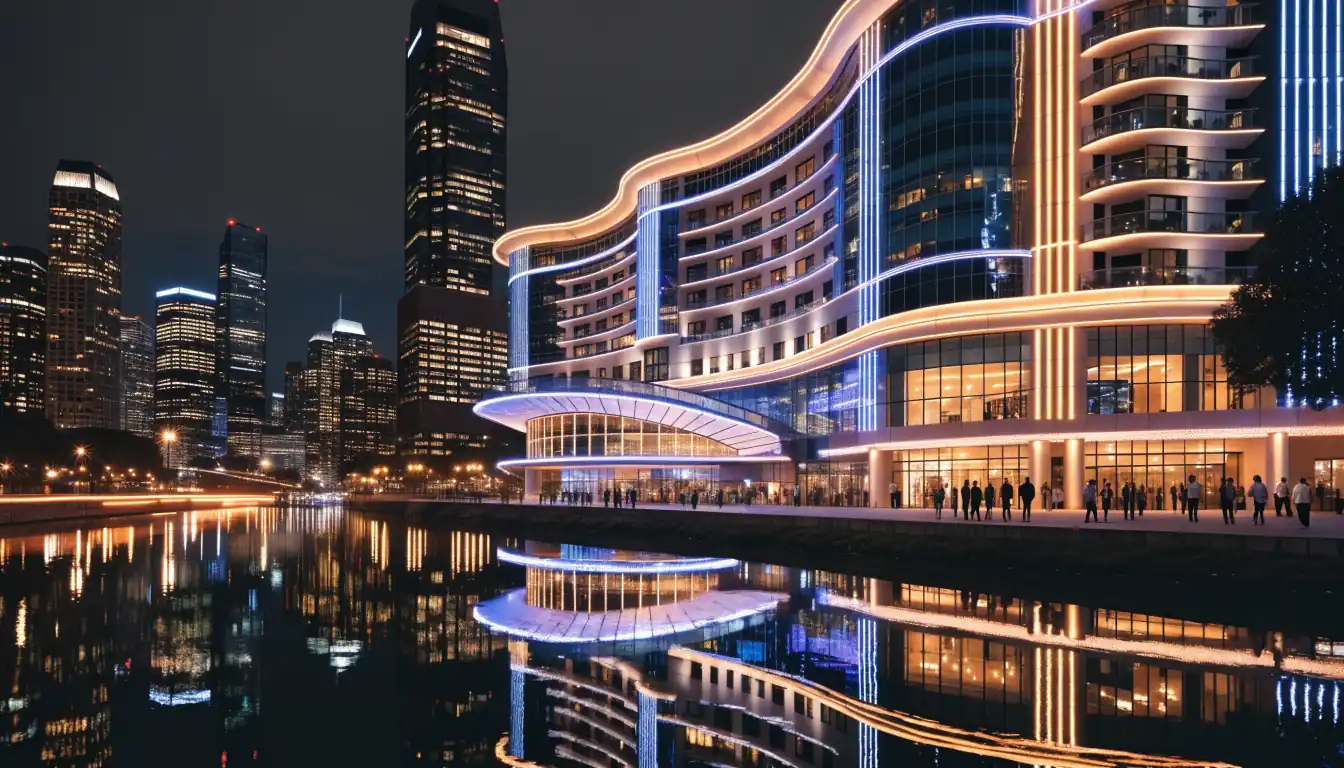
External accommodation around Hobart’s casino precinct falls into three broad categories, each attracting a different type of gaming visitor.
Hotels
Mid-range and upscale hotels within a short drive or walk of casino venues tend to fill first during weekends and events. These properties usually offer the fastest access on foot, which matters to visitors who plan to move between dining, gaming floors and their room several times in one visit rather than settling in for the night. Rates here fluctuate the most with casino traffic, since management can see booking patterns tied to gaming schedules and price accordingly.
Serviced Apartments
Serviced apartments suit longer stays, particularly for visitors attending multi-day poker series or those travelling in groups who want a kitchen and separate living space rather than a single hotel room. Pricing in this segment is generally steadier across the week than hotel rates, since serviced apartment guests are less likely to be booking purely around a single night’s gaming session. They also appeal to interstate visitors combining a casino trip with a longer Hobart stay, where the casino is one stop among several rather than the sole purpose of the visit.
Short-Stay and Budget Options
Short-stay rentals and budget lodging fill the gap for visitors who want to be in the general area without paying premium rates for ground-floor proximity. These options are further from the gaming floor, which for some visitors is beside the point of the trip, and for others is simply a way to keep the accommodation line item down while directing that budget toward the gaming bankroll instead.
How Traffic Shapes the Booking Pattern
The link between accommodation choice and casino activity runs in both directions. Hotels close to gaming floors adjust pricing around known high-traffic periods, and visitors adjust their booking timing to either chase or avoid those same periods depending on whether they want quiet tables or a livelier atmosphere. Because gambling winnings are not taxed in Australia, some visitors treat a strong session as justification for upgrading from a budget stay to a hotel room closer to the action on a return trip — an informal pattern rather than anything a booking platform tracks, but one that recurs often enough to be visible in how quickly premium rooms near the casino sell out after big events.
There is also a compliance layer that shapes who books what. Access to casino gaming floors and any casino offers requires guests to be at least 18 years old, and front-desk staff at properties adjacent to casinos are generally aware that a portion of their guests are there for that reason specifically, even when the booking itself makes no mention of it.
Practical Considerations When Comparing Options
| Accommodation type | Typical stay length | Distance to gaming floor | Rate sensitivity to casino events |
|---|---|---|---|
| Hotels | 1–3 nights | Shortest | Highest |
| Serviced apartments | 3+ nights | Short to moderate | Moderate |
| Short-stay/budget | Variable | Longest | Lowest |
None of these categories is inherently better value; the right choice depends on whether the trip is built around a single gaming session, a multi-day event, or a broader visit where the casino is one activity among several. Booking well ahead of known high-traffic dates remains the simplest way to avoid paying the premium that hotels near the gaming floor apply once demand becomes visible in their own booking data.
Gambling’s broader footprint on state finances — it accounted for 7.7% of state and territory taxation revenue in 2015–16 — is part of why casino precincts remain a fixture of local tourism infrastructure, and why accommodation supply around them keeps pace with gaming calendars rather than general visitor numbers alone.
Casino‑Integrated Hotel Facilities
Accommodation built directly into a casino complex operates on a different logic than a hotel booked separately down the road. The room rate, the loyalty tier, the late checkout — all of it is priced with the gaming floor in mind, not as a standalone lodging product. That distinction matters more than the thread count on the sheets.
What sits on-site
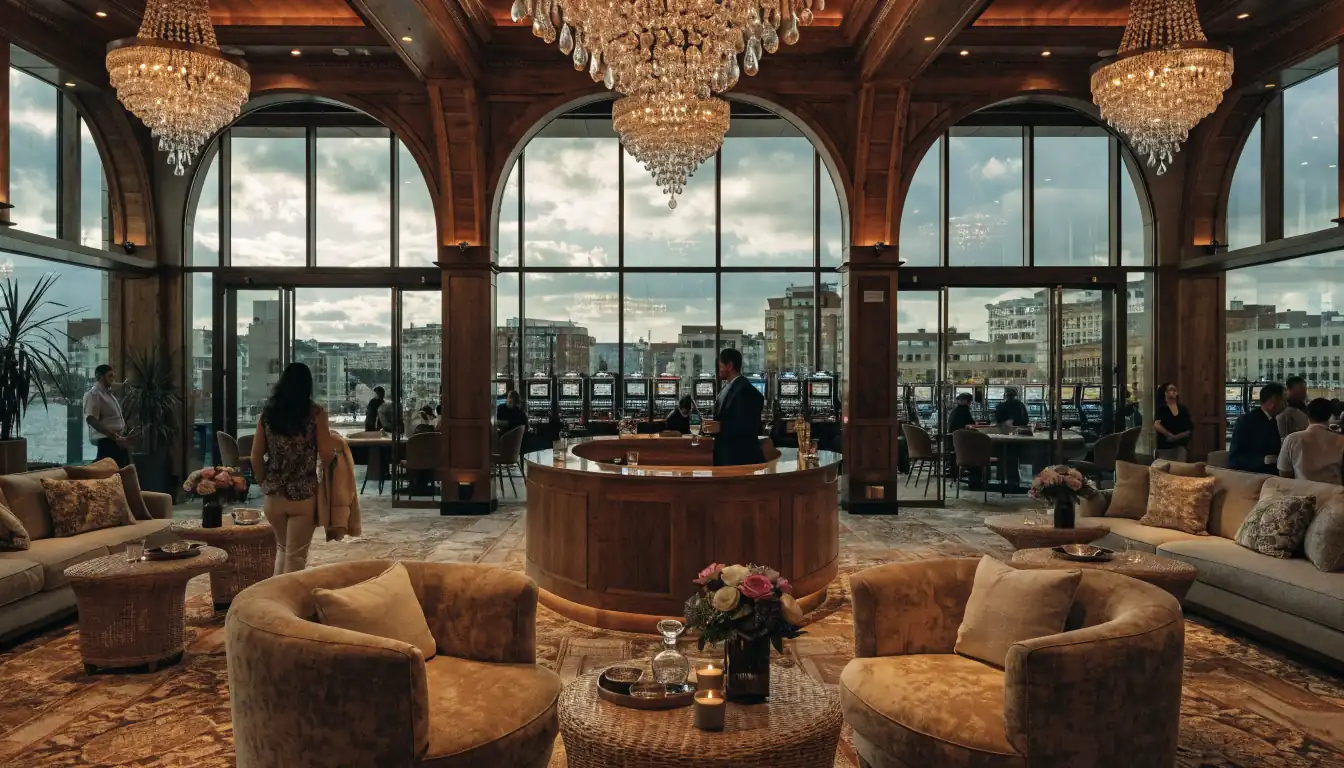
A casino-integrated property typically bundles rooms or suites with direct floor access, meaning a guest can move between a gaming session and their room without leaving the building. This is the core structural difference from an external hotel: proximity is not a feature added on top, it’s the reason the rooms exist where they do. Suite categories in these complexes are usually tiered by floor level and view, with higher categories carrying perks such as priority check-in or access to a separate guest lounge — standard practice across integrated resorts generally, though specific inclusions vary by property and should be confirmed directly with the venue rather than assumed.
Why the pricing logic differs
Australians collectively placed $244.3 billion in bets during 2022–23, and average per-capita betting sat at AUD 9,885 in FY 2020–2021, against an average loss of AUD 1,200 for the same period. Those figures describe wagering, not room rates, but they explain why integrated hotel pricing rarely behaves like ordinary tourism accommodation. Rooms attached to a casino floor are part of a revenue model where gaming activity, not nightly occupancy alone, funds the amenity level. Gambling revenue made up 7.7% of state and territory taxation in 2015–16, underlining how much of the funding behind these venues — including the hotel wings attached to them — traces back to the gaming floor rather than to room bookings in isolation. A guest paying for an on-site suite is, in effect, paying into a business where the room is secondary income and the machines are primary.
Services tied to the room, not the building
What separates an integrated stay from a nearby hotel booking is less about square metreage and more about what’s reachable without a lift ride outdoors. Typical inclusions across this category of property:
- Direct floor access — rooms connect to gaming areas via internal corridors, removing the need to step outside.
- In-room dining tied to on-site kitchens — service drawn from the same restaurant operations covered elsewhere in the complex, rather than a separate hotel kitchen.
- Loyalty-linked room perks — upgrades or rate adjustments tied to a player’s activity on the floor, a structure external hotels don’t offer because they have no gaming ledger to draw from.
- Concierge services oriented toward the complex itself — booking a table, a show, or a treatment inside the same building rather than arranging outside transport.
None of this is inherently better value than staying nearby — it’s a different transaction. A room a short walk from the casino is booked on the open accommodation market and priced against comparable local stays. A room inside the complex is priced against the operator’s own margins on gaming, dining and events, and access to the floor is baked into the rate whether or not it’s used.
The practical distinction for a booking decision
The question worth asking before booking on-site isn’t whether the room is nicer — it’s whether floor access and loyalty perks are worth paying for as a bundle, given that the same bed elsewhere might cost less precisely because it isn’t subsidising, or subsidised by, a gaming operation.
Parking and Accessibility for Hobart Casino Visitors
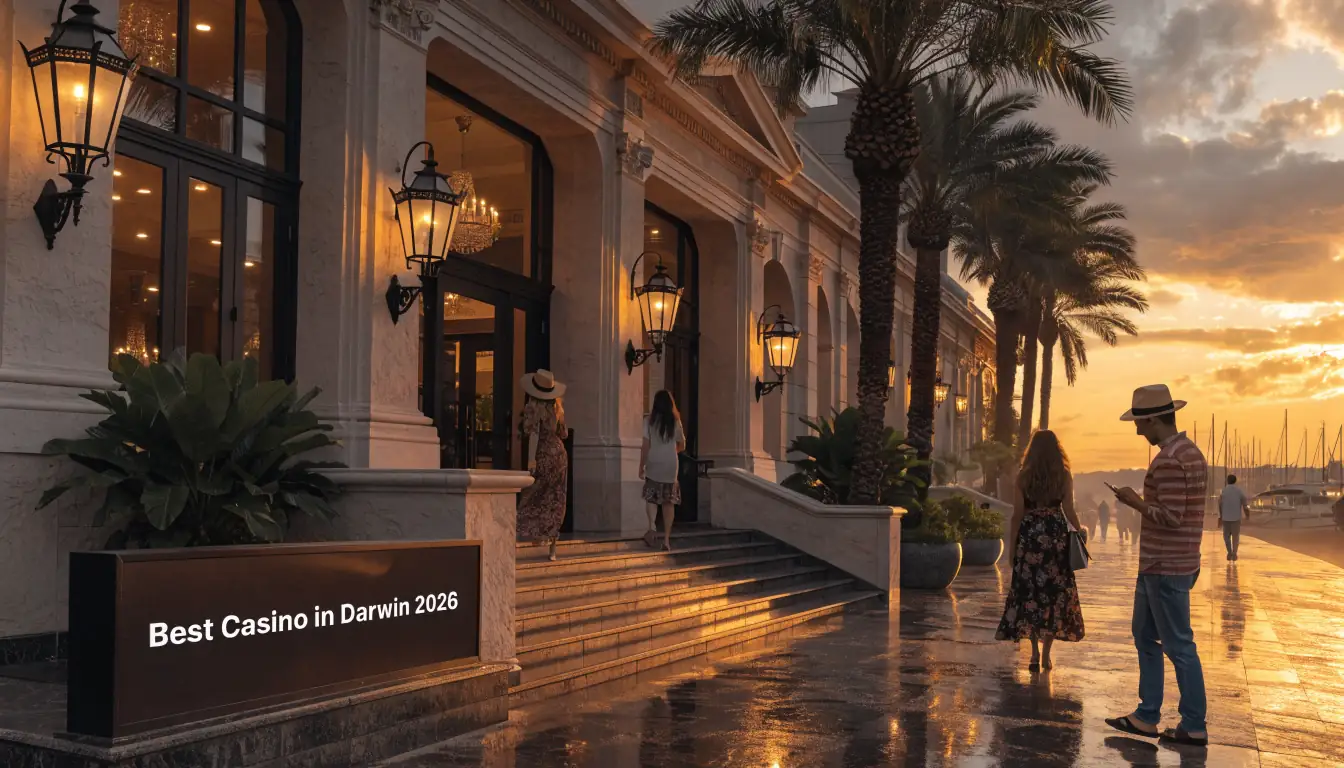
Getting to a Hobart casino by car is a different calculation from choosing a room or a table game — it is a question of how much time is lost before anyone sits down to play. On-site parking removes that friction: a covered or open-air lot directly attached to the casino complex, positioned so guests move from vehicle to gaming floor without crossing a public street. Where such parking exists, it is typically offered without a fee for casino patrons, which matters in a market where every other line of hospitality spending is itemised.
On‑site parking is typically offered free of charge for casino patrons, reducing extra costs for visitors.
Self-parking versus valet
Self-parking suits anyone staying for a single session — a few hours of pokies or table play before heading back out. It requires no advance notice, no tip, and no wait at either end of the visit. Valet service changes the equation for guests arriving for a longer stay, particularly those booked into casino-integrated accommodation or attending an evening function. Handing the car over at the entrance saves the walk from a remote parking level, and it matters more on a wet Hobart evening than it does on a clear afternoon. Neither option is inherently better; the choice depends on how long the visit runs and whether luggage is involved.
Public transport links
Not every visitor arrives by car, and Hobart’s casino properties are generally accessible by local bus routes connecting the CBD to the wider casino precinct. For guests without a vehicle — interstate visitors relying on taxis or rideshare from the airport, or locals avoiding the cost of fuel and parking altogether — checking the current bus timetable before travelling is the more reliable approach than assuming a service will align with plans. Rideshare pickup and drop-off points are usually marked separately from the main vehicle entrance, which avoids congestion at peak arrival times such as weekend evenings.
Accessibility considerations
Accessible parking bays close to the main entrance are a standard feature at Hobart’s larger casino properties, reducing the distance between a vehicle and the building for visitors with mobility requirements. Step-free access from parking areas into the casino floor, lifts connecting parking levels to hotel and gaming areas, and accessible drop-off zones for wheelchair-accessible vehicles are the features worth confirming directly with a venue before a visit, since the specifics vary by property and are not standardised across the state.
Why this differs from other visitor services
Parking and transport are logistics, not amenities — they determine whether a visit happens smoothly or with delay, but they add nothing to the experience once someone is inside. That distinction matters because Australians collectively placed $244.3 billion in bets during 2022–23, a volume that reflects gambling as a mainstream leisure activity rather than a niche one; casinos compete on removing barriers to entry as much as on what happens once a guest is seated at a table. A visitor deciding between a casino with covered valet parking and one with a distant public car park is making a practical judgement, not a preference about décor or game selection. The same logic applies to public transport: a casino well served by bus routes draws a different visitor pattern — more locals, more casual midweek visits — than one that assumes every guest arrives by car or taxi. Weighing parking convenience against accommodation choice or dining plans is a separate calculation, covered elsewhere, but it starts here, at the point of arrival.
Age Requirement
Only individuals 18 years or older may enter the gaming floor or access casino services.
Contact Details and Customer Service Channels
Finding a general enquiry line, a booking desk or an on-site help point is a separate question from finding a poker table or a parking bay, and it deserves separate treatment. A property’s front-of-house number typically covers reservations, general venue questions, and directions around the complex; floor staff and information desks handle anything that needs a face rather than a voice. Neither of those channels has anything to do with account support for online gambling products, because no licensed real-money online casino operates for Australian residents — a distinction worth keeping in mind when a phone script or a web page seems to blur the two.
What each channel is actually for
- General venue phone line — bookings, event information, directions to the car park, opening-hours confirmation.
- Email enquiries — non-urgent questions, function bookings, feedback that doesn’t need an immediate reply.
- On-site information or concierge points — the fastest route for anything physical: lost property, wayfinding inside the complex, help locating the bar or a scheduled show.
- Live chat, where offered by a venue’s website, tends to be reserved for booking-related questions rather than gaming support, since the gaming floor itself is staffed in person rather than remotely.
None of these channels substitute for the responsible-gambling support line — 1800 858 858 — which sits outside any single venue’s customer service structure and is not run by the casino.
Why on-site assistance differs from gaming-floor staff
Concierge and information-desk staff are trained to redirect, not to adjudicate. A dispute over a hand at the table, a query about a promotion, or a question about a loyalty account is handled by gaming-floor supervisors, not by whoever answers the general line. This separation matters practically: calling the main venue number about a table-game rules dispute usually means being transferred at least once, while walking to an information point inside the complex on match nights or during concerts — when phone lines run busiest — often resolves the same question faster.
How review platforms score support, separately from the venue itself
Independent casino rankings, including the kind that recalculate weekly using a weighted formula, treat customer support responsiveness as its own line item — worth 15% of a listing’s total score, alongside bonus generosity (30%), payout reliability (25%), game library breadth (20%) and user-submitted feedback (10%). Each individual listing is additionally scored on bonus transparency, cashout speed, customer care and licensing integrity. That scoring applies to licensed operators reviewed on comparison platforms — it has no bearing on how a physical Hobart venue answers its own phones, and the two shouldn’t be confused when reading either a casino’s own contact page or a third-party review of gambling operators generally.
Practical contact checklist
| Need | Right channel |
|---|---|
| Table reservation, event booking | Venue phone line or email |
| Directions, lost property, wayfinding | On-site information desk |
| Gaming-floor dispute | Floor supervisor, in person |
| Gambling harm concerns | 1800 858 858 |
| General feedback, non-urgent |
Confirming a number or address before a visit is worth the extra minute — venue contact details change more often than opening hours, and a wrong number wastes more time than it saves.
Dining Buffets, Breakfast Offerings and Employment Opportunities
Buffet service at a casino resort in Hobart tends to run on two separate rhythms: a morning offering built around a standard cooked breakfast and pastries, and a broader all-day spread that expands at lunch and dinner. The two are priced and staffed differently, which is worth knowing before assuming a breakfast pass covers a return visit later in the day — it generally does not, since the kitchen resets the line and the till alongside it.
Breakfast buffets are the more predictable of the two. They are aimed at guests staying on-site or visiting early before floor hours pick up, and the format stays close to what any resort-style breakfast service offers elsewhere: eggs cooked to order, grilled items, cereals, fruit, and a coffee station. Where a Hobart casino differentiates itself is less in the food itself and more in timing it around the property’s other business — breakfast service typically closes before the lunch buffet opens, leaving a gap rather than continuous grazing.
The breakfast buffet pass does not include access to the full‑day buffet or other restaurant meals.
The full buffet, running later in the day, carries more variety and a higher price point, reflecting a larger kitchen operation and a wider mix of hot and cold stations. None of this replaces the sit-down restaurants covered elsewhere on the property — the buffet exists as a volume option, not a dining event, and is priced accordingly lower per head than a table-service meal.
Employment tied to dining operations
A casino resort’s food and beverage arm is one of its largest employers, and Hobart’s properties are no exception. Buffet and breakfast service alone generates a spread of roles that differ in skill level, hours and pay structure:
- Buffet attendants — restocking stations, clearing plates, and managing the flow of a self-service line during peak hours.
- Line cooks and short-order chefs — responsible for the cooked-to-order component of breakfast service, typically rostered on early shifts.
- Front-of-house hosts — seating guests, managing bookings for peak breakfast and dinner sessions, and handling loyalty-card check-ins where buffet access is tied to a rewards tier.
- Kitchen stewards — dishwashing and equipment sanitation, a high-turnover role across most casino food operations.
- Duty managers/supervisors — overseeing rostering, stock ordering and compliance across both the breakfast and full buffet shifts.
These roles sit under the casino’s broader hospitality division rather than under the gaming floor, meaning staff working the buffet are not required to hold the same certifications as dealers or gaming attendants. Recruitment for these positions typically runs through the property’s own careers page rather than general job boards, since turnover in food service is constant and rosters need filling around fluctuating visitor numbers.
Anyone under 18 will not be issued a rewards card or granted buffet discounts tied to casino membership, since the minimum age to access any casino offer — including dining perks bundled into a loyalty scheme — is 18. This applies whether the meal itself is being purchased directly or claimed through points earned elsewhere on the floor.
Dining and employment intersect most visibly at the level of loyalty programs: buffet comps, discounted breakfast rates and priority seating are usually the first perks unlocked on a rewards tier, and the staff running those stations are often the same ones processing the card scans that make the discount apply. It’s a small operational loop, but one that ties the casino’s hospitality arm directly to its membership scheme rather than treating dining as a separate business.
Employment roles in casino dining
The buffet area employs various staff such as attendants, line cooks, front‑of‑house hosts, stewards, and supervisors, each contributing to smooth service.
Casino Operating Hours and Seasonal Openings
Physical venues in Hobart set their own trading hours and publish holiday closures directly, since no single national body dictates opening times for land-based gaming floors. Regulation of gambling in Australia runs on two tracks at once — state and territory authorities license and inspect venues, while the Australian Communications and Media Authority handles enforcement of the Interactive Gambling Act 2001 at federal level, a law aimed at online rather than in-person wagering. That split explains why a Hobart casino’s daily schedule, extended-hours nights, or Christmas and New Year closures are matters for the venue and the local regulator, not for any federal timetable.
Anyone asking whether a Hobart casino is open on a given date is really asking a local operational question, not a licensing one. Venues typically extend hours around long weekends and major race or event calendars, then trim back during quieter stretches of the year — but the exact pattern is set by the property itself and changes without a fixed national cycle. There is no published federal register of casino trading hours to check against, so the only reliable source for a specific day is the venue’s own notice or front desk.
What varies by season
- Peak periods — extended floor hours are common around public holidays and major local events, when foot traffic justifies staying open later.
- Off-peak stretches — some gaming areas scale back hours outside these windows, particularly on weeknights.
- Redevelopment or maintenance closures — sections of a casino floor can close temporarily for refurbishment, which affects access without changing the venue’s overall licence status.
None of this touches age eligibility, which stays fixed regardless of the calendar: entry to gaming areas and access to any casino offer requires being 18 years or older, every day the floor is open.
Where the confusion comes from
Search interest around "reopening" a Hobart casino usually traces back to temporary closures for renovation, licensing reviews, or public holiday shutdowns rather than any change in legal status. Because gambling oversight in Australia is split between state/territory regulators and federal bodies like ACMA, a temporary closure notice from a state gaming authority carries no federal announcement to match it — which is why the two threads of news (a venue’s own trading calendar versus federal regulatory action) rarely appear in the same place. The Northern Territory Racing Commission’s role as the de facto regulator for many online bookmakers adds to that separation: it has no bearing on Hobart’s physical gaming floor hours, since that licensing sits with Tasmania’s own framework.

For anyone timing a visit around a specific date — a public holiday, a long weekend, an event weekend — the venue’s own published hours remain the only dependable check. Seasonal extensions are announced ahead of major dates, closures for maintenance are usually flagged in advance, and the underlying licensing structure behind all of it stays unchanged year to year, regardless of how the floor’s daily hours shift.
Spa and Wellness Services at Hobart Casinos
Spa facilities within Hobart’s casino complex operate as a distinct business from the gaming floor, with separate booking desks, opening arrangements and staff. Treatment rooms typically sit away from the noise of the pokies and table games, positioned closer to the accommodation wing so guests can move between a stay and a treatment without crossing back through the casino itself.
Treatment types on offer
Standard spa menus at casino resorts of this size generally include massage therapy, facial treatments and body treatments, often bundled with access to a sauna, steam room or relaxation lounge. Some venues extend this into a broader wellness offering — a fitness area, a lap pool separate from any leisure pool, and occasionally guided wellness programs aimed at longer-staying guests. None of this overlaps with the gaming licence or the dining operation; it is priced, staffed and marketed as a hospitality service, closer in structure to a hotel spa than to anything connected with betting or wagering activity.
Dress code and access
Spa areas carry their own dress code, separate from the smart-casual or collared-shirt requirements that apply on the gaming floor after a certain hour. Robes and swimwear are standard within spa and pool zones, whereas the same clothing would not be acceptable at the tables. Age restrictions differ too: spa and wellness facilities are generally open to guests of varying ages depending on the treatment, while the gaming areas restrict entry to those 18 and over, in line with the minimum legal gambling age.
Booking and pricing structure
Treatments are booked directly through the spa desk or hotel concierge rather than through any casino loyalty programme, and pricing is set independently of gaming turnover — there is no cross-subsidy disclosed between the two operations. Packages combining a room stay with spa access are the most common bundling arrangement, rather than any link to chip turnover or table play.
Where this fits against the wider complex
Wellness services should not be confused with the bars scattered around the gaming floor, which serve a different purpose entirely — service between hands rather than relaxation in its own right. Nor do they overlap with the buffet or restaurant operations covered elsewhere in the complex. The spa is a self-contained amenity, and its value is best judged against comparable day-spa pricing elsewhere in Hobart rather than against anything the casino offers at the tables.
One point worth stating plainly: none of this on-site wellness infrastructure has any bearing on real-money online gambling. There are no domestically licensed real-money online casino operators available to Australian players, spa membership or otherwise — the two are entirely unconnected services offered under the same roof.
Restaurant Selections Within the Casino Complex
A casino complex justifies its size through the number of distinct dining concepts it can support under one roof, and a Hobart property positioned for a best-of-2026 comparison is judged on that spread as much as on its gaming floor. Full-service restaurants inside a casino differ from standalone dining primarily in hours and access: kitchens tend to run later than typical high-street restaurants, tables are booked around gaming schedules rather than fixed dinner sittings, and menus are priced for a guest who may have just cashed out or may be about to sit down at a table for several hours.
Cuisine range
A property built for volume rarely bets on one style of cooking. The usual pattern splits dining into three or four distinct rooms rather than one large restaurant trying to cover everything:
- A steakhouse or grill room, positioned as the anchor fine-dining venue, usually with the longest opening hours and a wine list sized to match.
- An Asian-inflected restaurant covering a mix of regional dishes, often the busiest room on weekend evenings.
- A seafood-focused venue, leaning on Tasmania’s local produce as the point of difference from mainland casino dining.
- A café-style all-day restaurant, sitting between the fine-dining rooms and the food court, aimed at guests who want a sit-down meal without a booking.
Rooftop and bar dining
Where a casino complex includes a rooftop bar, it usually functions as a separate booking from the restaurants below — smaller plates, a cocktail-led menu, and a view treated as the main selling point rather than the food itself. This tier sits above food-court pricing but below the steakhouse or seafood room, and is the one most likely to require a reservation on weekends despite not being classed as fine dining.
How this differs from the food court
The distinction that matters for planning a visit is booking versus walk-up. Full-service restaurants take reservations, run set menus or table service, and close earlier than the gaming floor itself. Food-court and casual counters, covered separately, stay open later, need no booking, and are priced for a quick meal rather than an evening out. Buffet and breakfast service, also covered elsewhere, sits in between: table service without the reservation requirement.
None of this dining tier is contingent on where a guest chooses to gamble afterward. It is worth noting, separately from any restaurant review, that Australian law targets the operators offering online casino games to residents, not the individual players who use offshore-licensed sites — a distinction that has no bearing on a physical dining reservation but is often confused with it in casual conversation about casino visits.
Food Courts and Pool Areas
Food courts inside Hobart casinos exist for a different reason than the full-service dining rooms: speed. A quick coffee between pokies sessions, a sandwich before checking into an on-site room, a snack while waiting for a table at the main restaurant — these outlets are built around turnover, not occasion. Counter service, limited seating, and menus kept short enough to order without a wait are the norm rather than the exception.
Pool areas serve a separate purpose again. They’re not gaming spaces and not restaurant spaces — they’re where casino guests, particularly those staying in on-site accommodation, spend time away from the floor entirely. Pool-side service typically runs to a simplified menu overlapping with the food court rather than the full restaurant list, with orders taken and delivered without guests needing to leave their sun lounger.
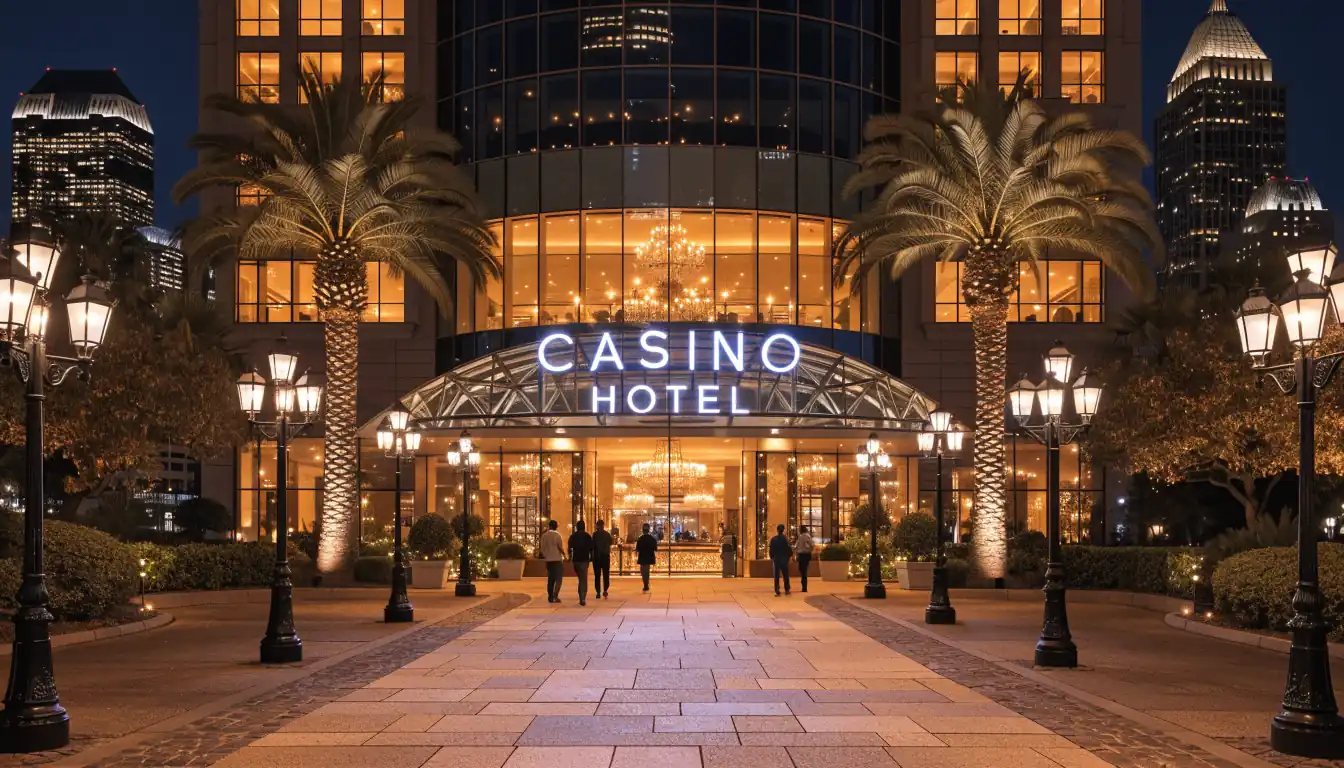
Neither space competes directly with the sit-down restaurants covered elsewhere in the complex. The food court answers a logistics problem — feeding people quickly at odd hours — while the pool deck answers a leisure one, giving non-gaming visitors and hotel guests a reason to stay on site without setting foot near a gaming table.
One practical note applies across both settings: any screens or devices near pool decks or food courts showing live odds are for viewing only where in-play betting is involved. Live online betting is illegal in Australia, though placing a live bet by phone remains legal — a distinction worth knowing before assuming a poolside screen doubles as a betting terminal.
Regulatory Landscape and Licensing in Australian Gambling
Gambling regulation in Australia has no single overarching statute and no single overarching authority. Oversight sits at two levels at once: state and territory bodies license and supervise land-based venues, including physical casinos such as those in Hobart, while a federal layer governs online and interactive gambling separately. A physical casino floor, a poker room, or a hotel gaming lounge answers to state-level licensing conditions; that framework is distinct from whatever governs online wagering products, and the two should not be conflated when checking who is accountable for what.
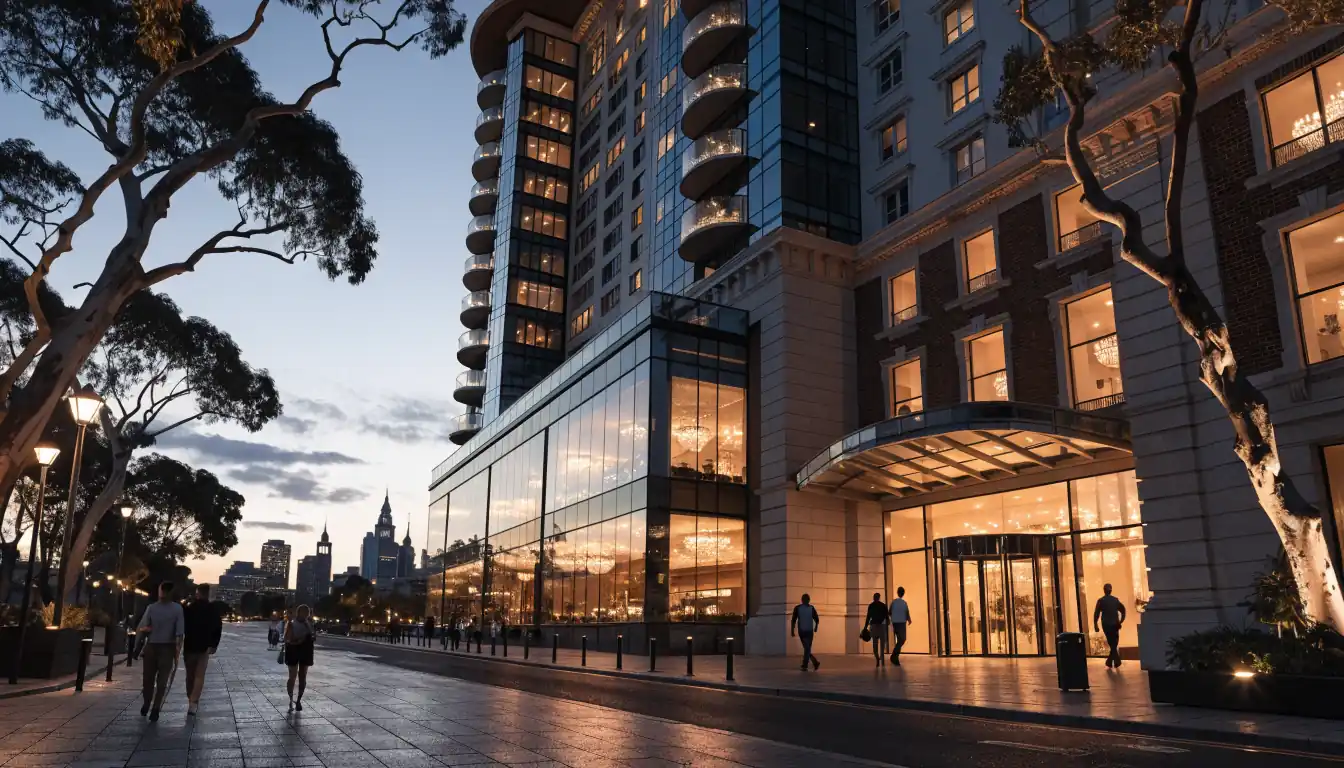
At the federal level, the Australian Communications and Media Authority (ACMA) enforces the Interactive Gambling Act 2001, the piece of legislation that shapes what online gambling activity is permitted for Australian residents. ACMA’s remit is federal and interactive; it does not replace or override the state-based licensing that applies to venue operations, table games, or on-site poker rooms of the kind covered elsewhere in this guide. Anyone trying to trace accountability for a Hobart casino’s gaming floor is dealing with a different regulator, and a different set of rules, than anyone trying to trace accountability for an online gambling product.
This split matters for one practical reason: compliance obligations are not interchangeable between the two levels, and a casino’s physical operations are assessed against state-based licensing conditions rather than against ACMA’s federal enforcement of the Interactive Gambling Act 2001.
What are the best online casinos in Australia for 2026?
There are no domestically licensed real-money online casino operators available to Australian players, as offering online casino gambling is prohibited federally under the Interactive Gambling Act 2001. However, it is not illegal for individuals to play at offshore-licensed online casinos, and rankings of these are recalculated weekly using a weighted formula covering bonus generosity, payout reliability, game variety, support, and user feedback.
What advanced security features are used in Australian casinos?
Casino listings are evaluated on licensing integrity, bonus transparency, cashout speed, and customer care, with reviewers depositing at least A$300 to test withdrawals. Regulation itself is split between federal and state or territory levels, with the ACMA enforcing the Interactive Gambling Act 2001 and the NTRC licensing most national online bookmakers.
What payment methods are available for Australian players at online casinos?
While domestic online casino gambling is prohibited, offshore operators are evaluated on payout reliability and cashout speed. Reviewers practically test these withdrawal processes by depositing at least A$300 at each casino.
What does the future outlook look like for the Australian online casino market?
The market remains significant but legally restricted: domestic online casino operations are prohibited, though Australians can legally use offshore sites. The scale of wider gambling activity is substantial, with Australians placing bets totalling $244.3 billion in 2022-23, and the country’s 20 largest superannuation funds holding over A$14.8 billion in publicly listed igaming companies by mid-2026.
How did Covid-19 lockdowns affect land-based casinos and boost online gambling?
Land-based venues like Hobart’s casino operators rely heavily on physical presence, with poker rooms needing enough seated players to sustain a game. While broader gambling spend remains massive at $244.3 billion in bets during 2022-23, the specific impact of Covid-19 lockdowns on shifting this activity online is not detailed in the available data.
Published by the Casino Payment Guide team.